
Semiconductor Fingerprint Smart Lock: Why It Beats Optical Sensors
Not all fingerprint sensors are equal. Cheap optical sensors fail with wet fingers, are slow, and can be spoofed. A semiconductor fingerprint sensor is a completely different class. The SK-M02 Tuya fingerprint smart lock uses an FPC semiconductor sensor.
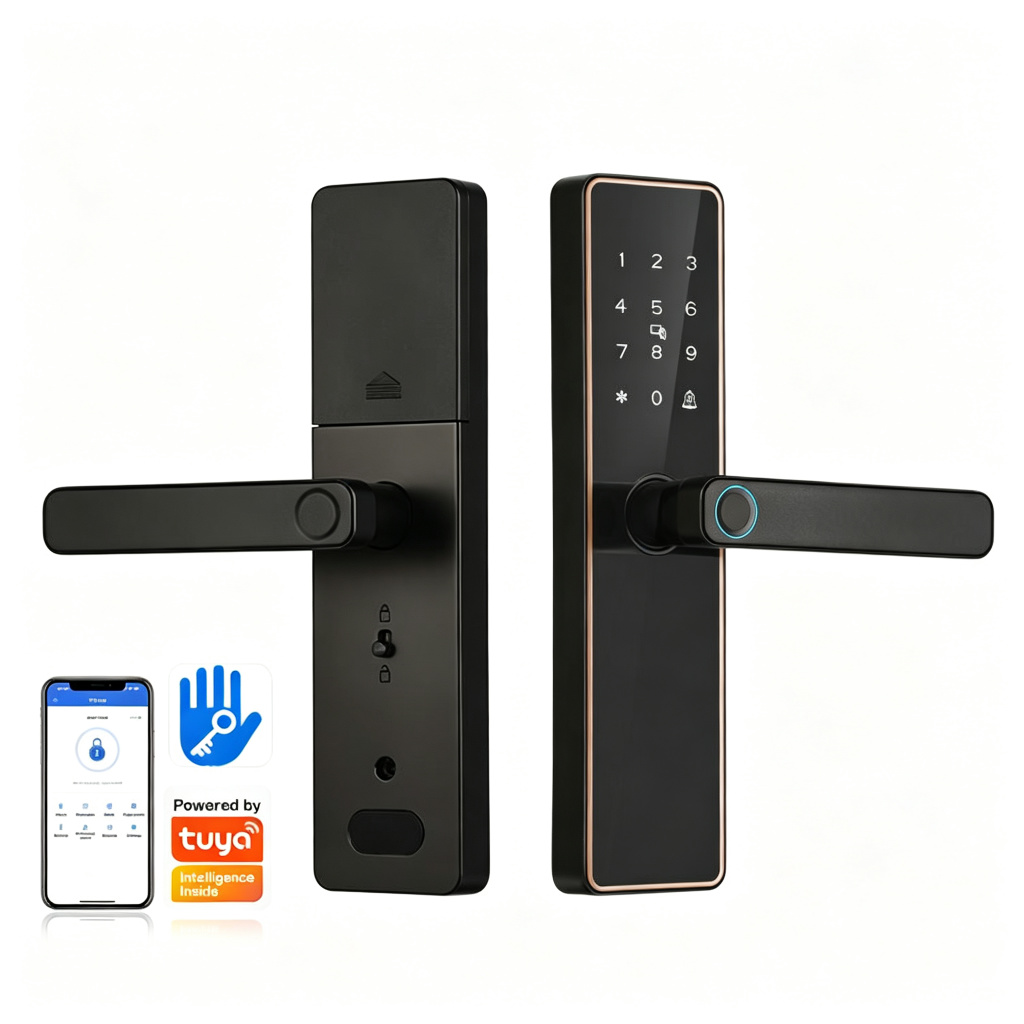
What Is a Semiconductor Fingerprint Sensor?
A semiconductor (capacitive) fingerprint sensor reads the three-dimensional ridges and valleys of your finger using tiny electrical capacitors. It captures a much richer image than an optical sensor and cannot be fooled by a printed fingerprint or a silicone fake. It also works with wet, dry or slightly dirty fingers.
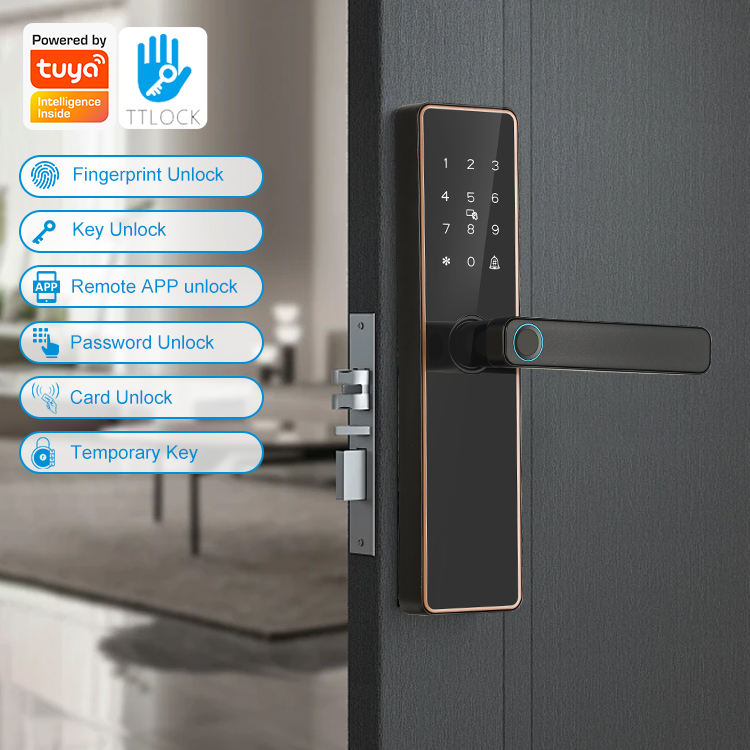
Semiconductor vs Optical: The Numbers
- Recognition speed: Semiconductor ≤0.1-0.4 seconds; optical often 1-2 seconds.
- False rejection rate: Semiconductor ≤0.001%; optical much higher, especially with wet fingers.
- Spoof resistance: Semiconductor cannot be fooled by printed fingerprints; optical can.
- Wet/dry fingers: Semiconductor works; optical often fails.
- Longevity: Semiconductor hidden sensor lasts longer; optical exposed sensor scratches easily.
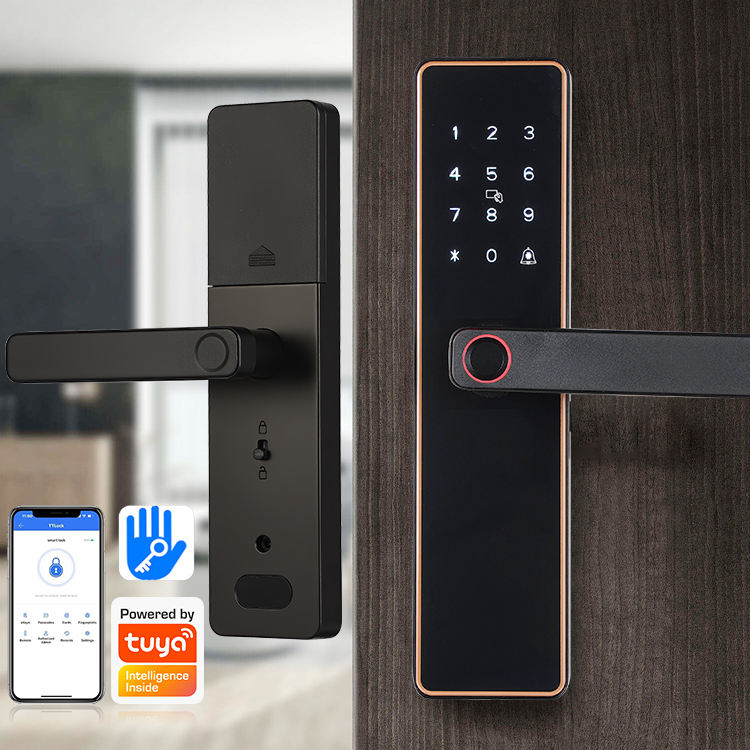
More Than Fingerprint
The SK-M02 gives you five unlock methods: fingerprint, IC card, password, mechanical key and Tuya/TTLock App. The built-in doorbell, tamper alarm and error attempt lockout add security. The aviation aluminum alloy body is durable and corrosion-resistant.
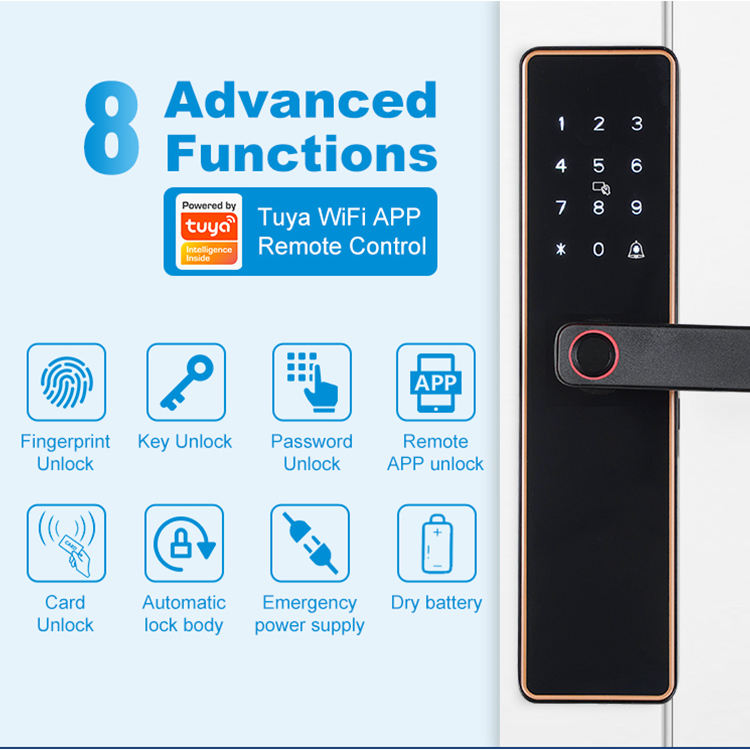
Specifications of the SK-M02
- Model: SK-M02
- App: Tuya Smart or TTLock (WiFi)
- Biometric: FPC semiconductor fingerprint
- Recognition speed: ≤0.1-0.4 seconds
- Error rate: ≤0.001%
- Material: Aviation aluminum alloy
- Features: Built-in doorbell, tamper alarm, error attempt lockout, waterproof
- Door types: Wooden / Iron / Stainless steel / Aluminum

Getting Started
As an OEM/ODM manufacturer, we supply semiconductor fingerprint smart locks with custom logo, packaging and color options for distributors and project buyers. Contact us for samples, bulk pricing or OEM/ODM customization.